








It would be easy to dismiss Bentley’s latest Design Theme by Mulliner as little more than an expensive paint option. After all, the luxury car world has never been short of bespoke colours, hand-finished interiors and carefully curated trim packs.
Spend a few minutes with it, though, and something more interesting begins to emerge.
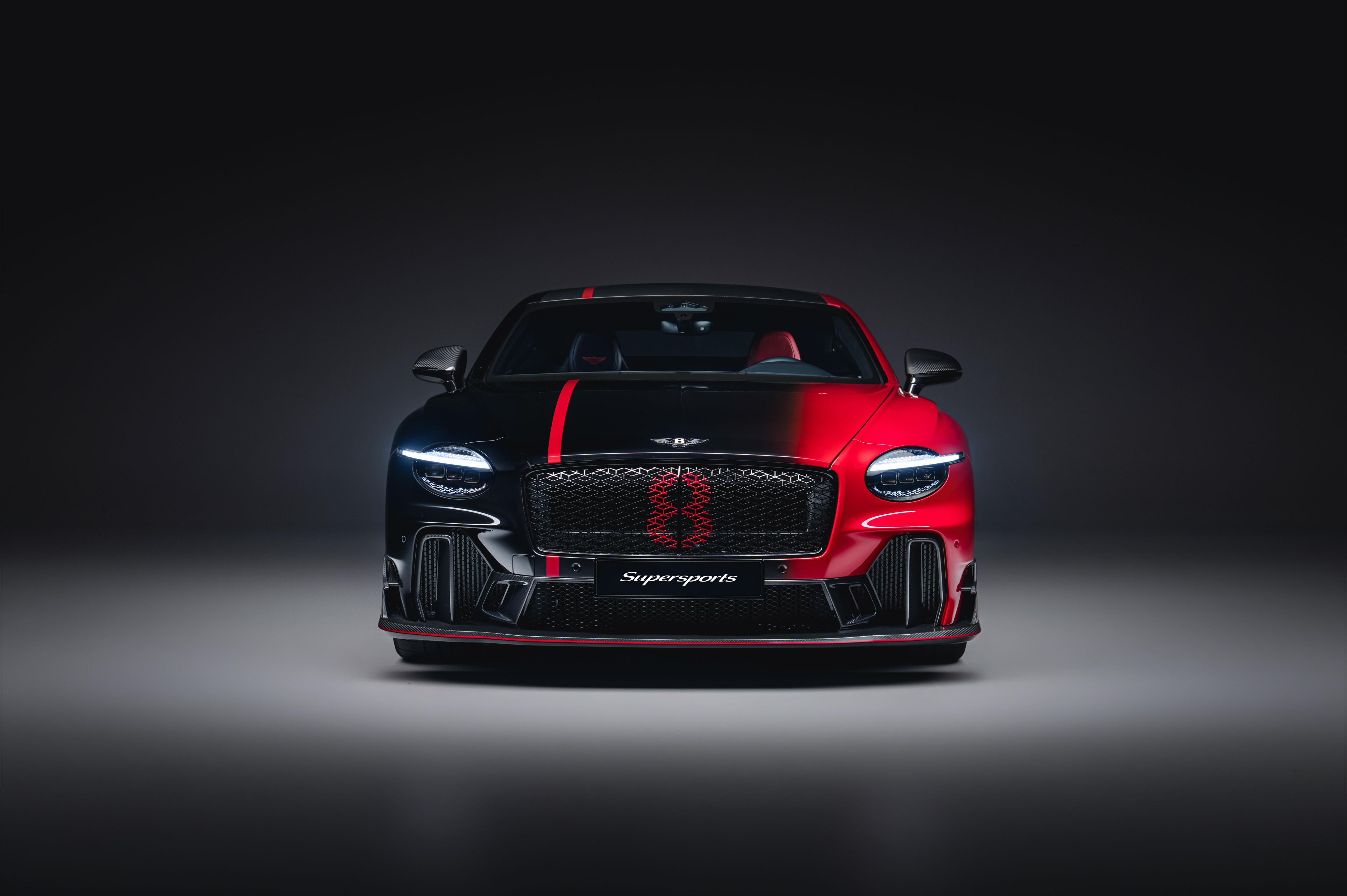
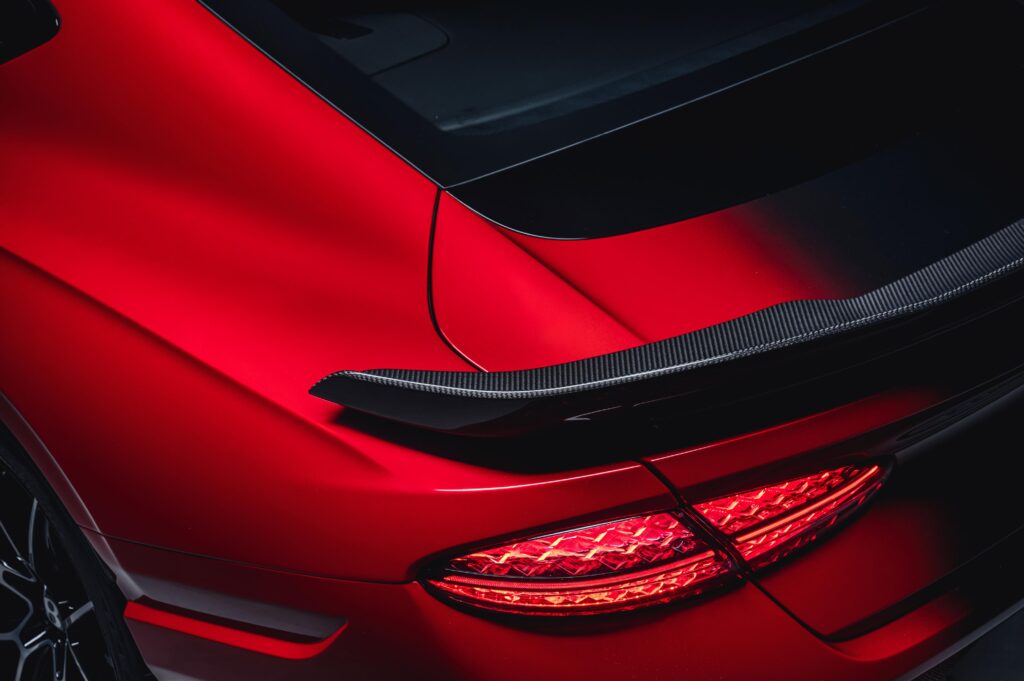
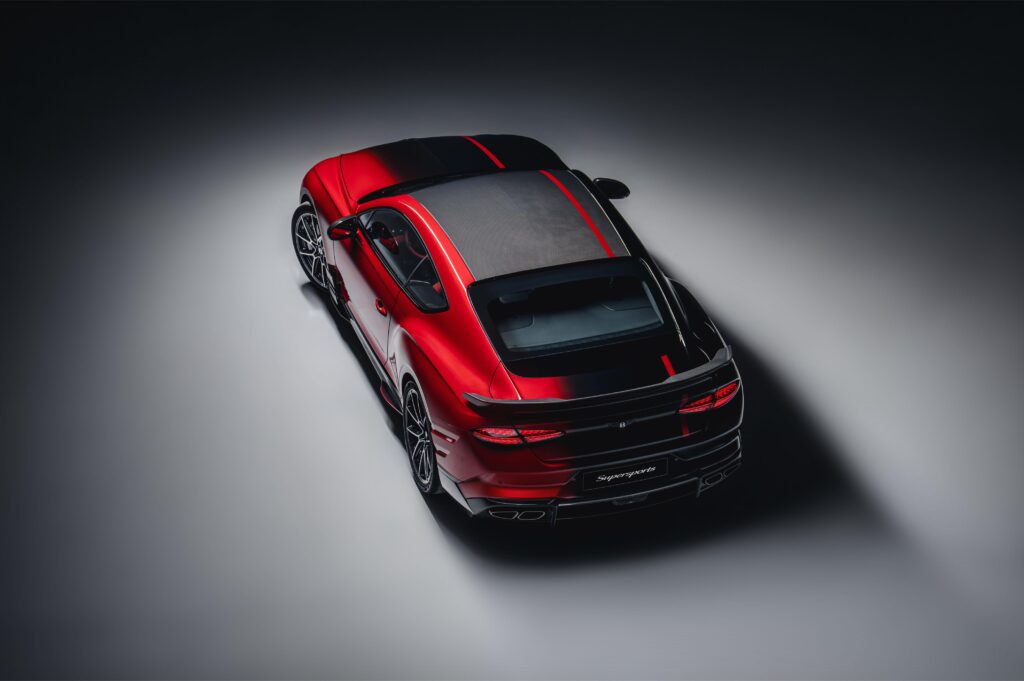
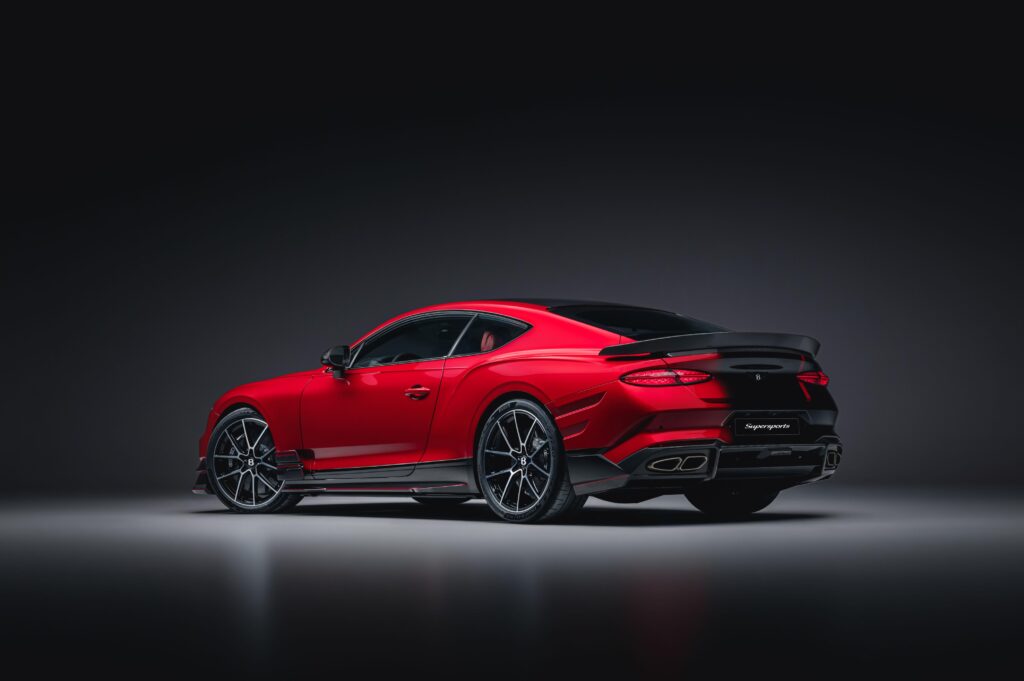
The first thing that catches your eye is the paint itself. Not because it’s bright or loud, but because it moves. One side of the car gradually fades into the other, with a bold colour melting into a darker finish across the bodywork. It is an unusual effect, almost as though the Supersports has been caught somewhere between shadow and sunlight.
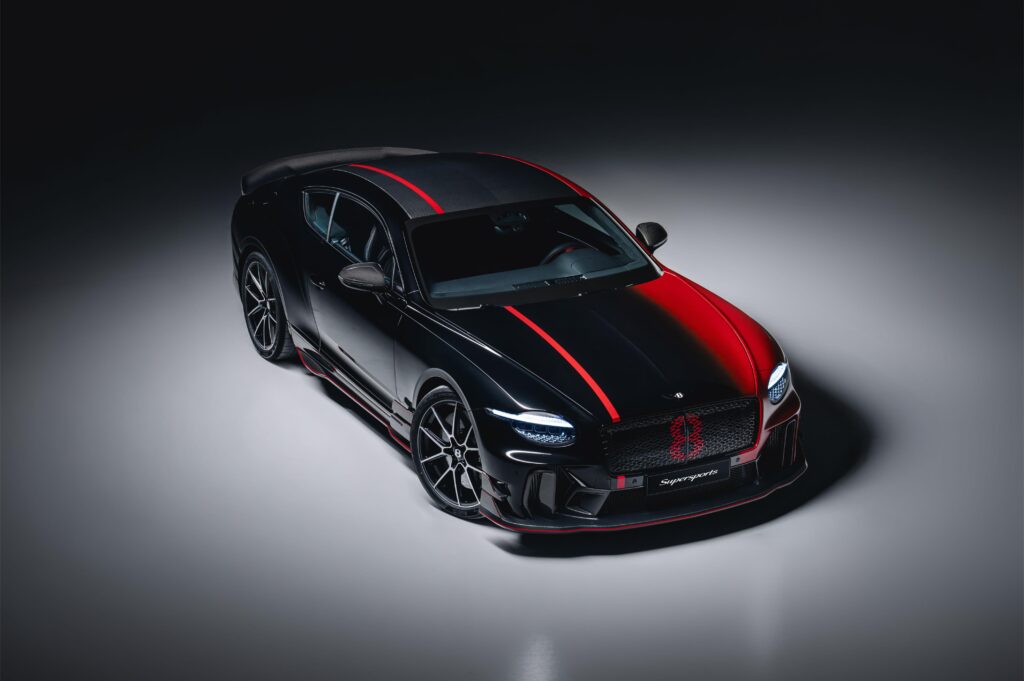
It’s the sort of detail that photographs struggle to explain. Walk around the car and the colours constantly change. Stand still and your eye keeps following the transition, searching for where one shade ends and the next begins. There isn’t really an answer. The fade is subtle enough that it almost disappears, yet bold enough that you notice it every time you return.
Then you spot something else.
The brighter colour isn’t there simply for decoration. It wraps itself around the driver’s side of the car, wherever the steering wheel happens to be. A single stripe runs off-centre from nose to tail, aligned with the passenger seat rather than the middle of the bonnet. It quietly shifts the visual weight towards the person behind the wheel.
It is an unexpectedly thoughtful piece of design. There is no need for oversized graphics or exaggerated bodywork. The message is delivered with restraint, something Bentley has traditionally understood rather well.
The same philosophy continues inside.
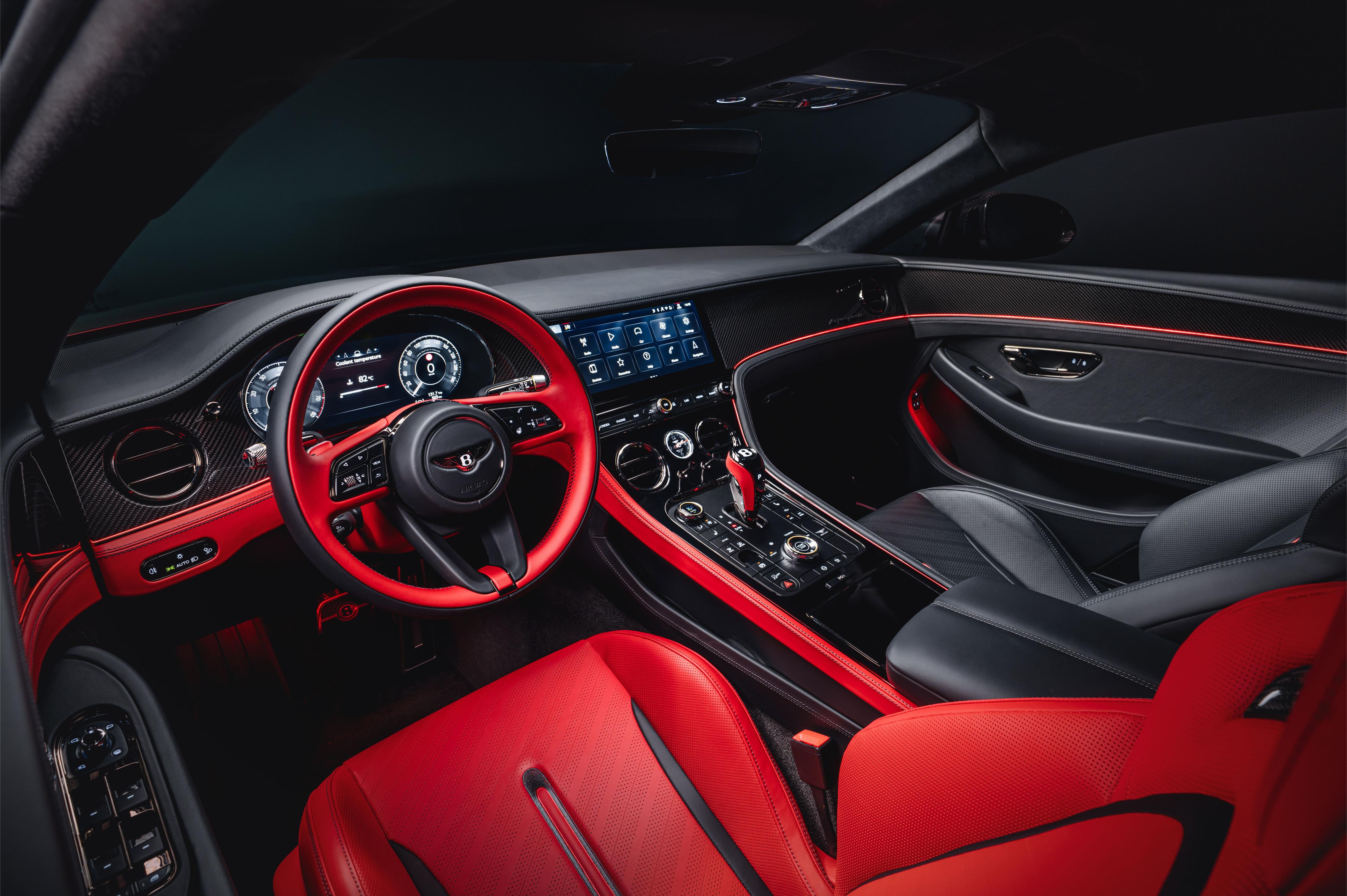
Modern luxury interiors often chase symmetry, but the Supersports deliberately avoids it. The driver is surrounded by brighter leather while the passenger sits within darker tones, creating two distinct spaces separated only by the centre console. It feels almost theatrical, yet never crosses into novelty.
The effect is surprisingly intimate. Rather than feeling like two identical seats sharing the same cabin, the layout gives each occupant their own environment. One side celebrates the act of driving. The other becomes a quieter place to observe.
It helps that Bentley has resisted the temptation to overload the cabin with unnecessary decoration. The contrast stitching, bespoke perforated leather and carefully selected materials all have a purpose. Nothing feels as though it has been added simply because it could be.
Three design themes are available, each carrying its own personality.
Dragon is perhaps the most extrovert, pairing vivid reds with deep black to create something unapologetically dramatic. Electric heads in a cooler direction, blending vibrant blues with darker tones for a finish that feels contemporary without becoming futuristic. Brodgar is the quietest of the trio, using softer colours to produce something understated but no less distinctive.
Choosing between them says as much about the owner as it does about the car itself.
Of course, Mulliner’s reputation has always been built on saying yes to customers with unusual requests. Exotic veneers, one-off paintwork and personalised details have become part of the coachbuilder’s identity for decades. What’s different here is that Bentley’s designers have created a collection of ideas that feel complete from the outset rather than simply leaving every decision to the buyer.
That is perhaps the greatest achievement.
So often, bespoke options become an exercise in excess. The most memorable luxury cars are not necessarily the ones with the longest specification sheets, but the ones where every detail feels connected. Here, the paint, the cabin and the smallest finishing touches all speak the same language.
There is also something reassuringly human about the whole exercise.
As the industry races towards electrification, software updates and increasingly complex technology, it is refreshing to see designers focusing on craftsmanship and visual storytelling instead. There are no new screens to admire or digital tricks competing for attention. Instead, Bentley asks you to appreciate colour, proportion and detail, the sort of qualities that have always separated great automotive design from merely expensive engineering.
Seen in that light, the Design Theme by Mulliner feels less like another option on the configurator and more like a reminder that the emotional appeal of a car still matters.
Performance figures will always make the headlines, but they rarely leave lasting memories. The details do. The way light catches the bodywork late in the afternoon. The contrast between leather colours as you open the door. The subtle stripe that suddenly reveals itself from the right angle.
Those are the moments owners remember long after they’ve forgotten the numbers on the brochure.
Perhaps that’s the real purpose of Bentley’s latest creation. Not to reinvent the Supersports, but to encourage people to look at it just a little longer.


